A kids karaoke party has a special kind of magic. The moment a child grabs a microphone, something changes. Shy smiles turn into bold voices. Laughter fills the room. Suddenly, the party feels alive, not just busy. That transformation is why karaoke works so well for children.
Unlike passive games or screen-based entertainment, karaoke invites kids to participate. It encourages creativity, confidence, and connection. However, hosting a karaoke party for kids isn’t the same as hosting one for adults. Children need structure, safety, and simplicity to truly enjoy the experience.
With the right planning and a thoughtful approach, a kids karaoke party becomes one of those events children talk about for weeks. Let’s explore how to make that happen.
Why a Kids Karaoke Party Is Such a Hit
Children love music naturally. They sing along in cars, dance in living rooms, and hum tunes while playing. Karaoke gives that instinct a spotlight.
A kids karaoke party works because it feels playful rather than competitive. There’s no pressure to be perfect. Singing becomes a game instead of a performance.
Additionally, karaoke helps children express themselves. Even quiet kids often surprise adults once the music starts. The microphone becomes a confidence booster rather than a source of fear.
That emotional payoff is what makes karaoke such a powerful party activity for kids.
Planning a Kids Karaoke Party the Right Way
Planning sets the tone. Without structure, kids can become overwhelmed or distracted. With too many rules, they lose interest.
Start by deciding the length. A kids karaoke party usually works best within two to three hours. That time frame keeps energy high without exhaustion.
Next, consider the age group. Younger children need shorter songs and more breaks. Older kids enjoy longer sessions and more choice.
Finally, plan the flow. Singing, games, snacks, and rest periods should alternate naturally. Balance keeps kids engaged and happy.
Choosing the Best Space for a Kids Karaoke Party
Space affects behavior. Crowded rooms increase chaos. Clear spaces encourage focus.
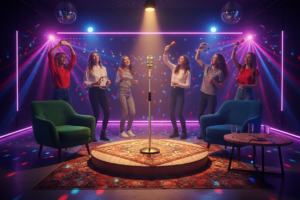
Choose a room where kids can move safely. Remove fragile items. Create a clear singing area so children know where performances happen.
Seating should face the performance area. This helps kids stay engaged while others sing. Floor seating works well for younger children.
A defined space helps the kids karaoke party feel exciting instead of confusing.
Setting Up Karaoke Equipment for Kids
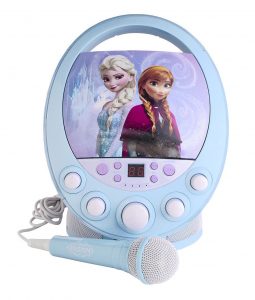
Simplicity matters. Kids don’t need professional equipment. They need something reliable and easy to use.
Choose a karaoke system with:
- Simple controls
- Clear sound at low volumes
- At least one microphone
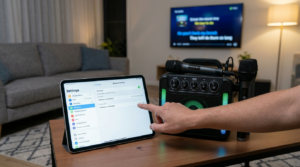
Test everything before guests arrive. Adjust volume to a safe level. Make sure lyrics are easy to read.
Avoid complicated settings. The smoother the setup, the more confident kids feel.
Safe Volume Levels for a Kids Karaoke Party
Children’s ears are sensitive. Loud sound can cause discomfort quickly.
Keep volume at a moderate level. Voices should be clear without overpowering music. If kids shout to hear themselves, the volume is too high.
Check volume from different spots in the room. Sound behaves differently depending on position.
Safe sound levels keep the party fun instead of overwhelming.
Picking Songs for a Kids Karaoke Party
Song choice can make or break the party. Kids need songs they recognize and enjoy.
Focus on:
- Popular kids’ movie songs
- Clean pop songs
- Nursery rhymes for younger children
- Upbeat, positive tracks
Avoid songs with complex lyrics or mature themes. Even if kids know the tune, the words matter.
Shorter songs work better. They keep turns quick and energy high.
Creating a Kids Karaoke Party Playlist
A playlist provides structure. Random song choices can slow momentum.
Organize songs by energy level. Start with familiar, upbeat tracks. Mix in calmer songs later.
Include group songs. These remove pressure and build confidence early.
Having a prepared playlist keeps the party flowing smoothly.
Helping Shy Kids Feel Comfortable Singing
Not every child jumps at the microphone. That’s okay.
Start with group singing. Everyone sings together. Pressure disappears. Confidence grows.
Duets work well too. Pair shy kids with confident friends or siblings.
Never force participation. Encouragement works better than pressure. Often, shy kids join once they feel safe.
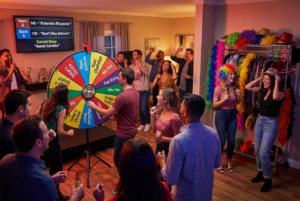
Using Games to Support the Kids Karaoke Party
Games reset attention and prevent fatigue.
Simple ideas include:
- Freeze dance between songs
- Guess-the-song intros
- Silly vocal warm-ups
These activities keep energy balanced and prevent restlessness.
Games support karaoke without replacing it.
Decorations That Make Karaoke Fun for Kids
Decorations don’t need to be expensive. They need to be playful.
Music notes, stars, and colorful balloons work well. Create a small “stage” area using a mat or backdrop.
Visual cues help kids understand where performances happen.
A fun environment encourages participation naturally.
Lighting Tips for a Kids Karaoke Party
Lighting affects mood. Harsh lights feel uncomfortable. Soft lighting feels welcoming.
Use normal room lighting with one brighter area for the stage. Avoid flashing lights, which can overwhelm children.
Comfortable lighting helps kids focus and relax.
Managing Turns Fairly
Fairness matters to kids. Uneven turns cause frustration quickly.
Create a simple sign-up order. Rotate turns consistently. Keep songs short to reduce waiting.
Clear structure prevents arguments and keeps kids engaged.
Keeping Performances Short and Fun
Children’s attention spans are limited. Long performances lose momentum.
Encourage one verse or chorus for younger kids. Older kids can sing full songs if energy allows.
Short performances keep excitement high and reduce boredom.
Encouraging Positive Crowd Behavior
Applause builds confidence. Teach kids to clap after every song.
Model positive behavior. Cheer effort, not talent. Avoid criticism completely.
A supportive atmosphere transforms the kids karaoke party into a safe space.
Snacks and Breaks That Support Energy
Food affects behavior. Heavy snacks cause sluggishness. Sugary snacks cause crashes.
Offer light snacks and water. Schedule snack breaks between singing sessions.
Breaks give voices rest and help kids recharge.
Handling Microphones Safely
Microphones get passed around often. Teach basic rules.
No swinging. No shouting directly into the mic. Hold gently.
For younger kids, consider using foam covers for hygiene.
Simple rules prevent accidents.
Adapting a Kids Karaoke Party for Different Ages
Mixed-age groups need flexibility.
Younger kids enjoy movement songs. Older kids enjoy pop tracks.
Alternate song styles to keep everyone involved. Group songs bridge age gaps well.
Adaptation keeps the party inclusive.
Outdoor Kids Karaoke Party Tips
Outdoor parties add excitement. They also add challenges.
Check power sources. Keep equipment shaded. Manage sound direction to avoid neighbors.
Outdoor settings work best with portable systems and clear boundaries.
Plan ahead to avoid disruptions.
Keeping the Party Calm and Organized
Excitement is good. Chaos isn’t.
Use calm voice cues. Signal transitions clearly. Keep a predictable rhythm.
Children respond well to structure even during play.
Organization keeps the kids karaoke party enjoyable.
Ending the Kids Karaoke Party on a High Note
Endings shape memory. Finish strong.
Choose a final group song. Invite everyone to sing together. Celebrate the birthday child.
End with applause and smiles.
Strong endings leave lasting impressions.
Common Mistakes to Avoid
Avoid these pitfalls:
- Too many songs queued
- Loud volume
- Forcing shy kids to sing
- Ignoring breaks
Simplicity keeps joy intact.
Why Karaoke Builds Confidence in Kids
Singing builds courage. Standing in front of others builds resilience.
Karaoke teaches kids it’s okay to try, even if they’re not perfect.
That lesson lasts longer than the party itself.
Making the Kids Karaoke Party Memorable
Photos help, but presence matters more.
Capture a few moments. Let the rest unfold naturally.
Memories form when kids feel free, safe, and celebrated.
Conclusion
A kids karaoke party is more than entertainment. It’s an opportunity for laughter, creativity, and confidence-building. With thoughtful planning, safe sound levels, and supportive energy, karaoke becomes a joyful experience every child can enjoy. When kids feel encouraged instead of judged, they sing louder, smile wider, and carry that confidence beyond the party. Host it with care, keep it simple, and let the music do the rest.
FAQ
1. What age is best for a kids karaoke party?
Karaoke works well for children aged four and up with age-appropriate songs.
2. How long should a kids karaoke party last?
Two to three hours is ideal to keep energy high without exhaustion.
3. Do kids need special karaoke equipment?
No, simple home systems with clear sound work perfectly.
4. How do I handle shy children at a karaoke party?
Start with group songs and encourage participation without forcing it.
5. Is karaoke safe for kids’ hearing?
Yes, as long as volume levels are kept moderate and monitored.