Starting your singing journey feels exciting, yet it can also feel intimidating. The right karaoke machines for beginners create a safe and fun environment to practice regularly. With simple controls and clear sound, these devices help you build vocal confidence step by step.
Many new singers hesitate because they worry about pitch or timing. However, practicing at home removes pressure and encourages experimentation. As a result, improvement becomes steady and enjoyable.
In this guide, you will learn what features to look for, which types of systems work best, and how to choose the ideal setup for developing your voice effectively.
Why Karaoke Is Great for Vocal Practice
Singing along to instrumental tracks strengthens pitch accuracy and rhythm awareness. Because lyrics appear on screen, you focus on vocal delivery instead of memorization.
Karaoke machines for beginners provide structured repetition. Repeating songs builds breath control and vocal stamina gradually.
Additionally, practicing with background music trains timing naturally. When your voice aligns with the beat, performance quality improves.
Confidence also grows through repetition. The more you sing in a relaxed setting, the more comfortable you feel expressing your voice.
Key Features to Look For
Choosing the right equipment ensures smooth practice sessions. Although many options exist, certain features matter most for beginners.
Clear Sound Quality
Clear audio allows you to hear pitch variations easily. If speakers distort sound, it becomes difficult to correct mistakes.
Look for balanced tone output with adjustable volume. Because beginners often experiment with range, flexible sound control helps prevent strain.
Built-In Echo and Effects
Light echo can enhance vocal tone slightly. This feature creates a fuller sound and boosts confidence.
However, avoid excessive effects. Subtle enhancements support practice without masking pitch errors.
Easy Connectivity
Modern karaoke machines for beginners often include Bluetooth and USB support. This flexibility lets you access backing tracks easily.
Simple connection options reduce setup frustration and keep focus on singing.
Types of Karaoke Systems for Beginners
Not all systems function the same way. Therefore, understanding available categories helps you choose wisely.
All-in-One Karaoke Machines
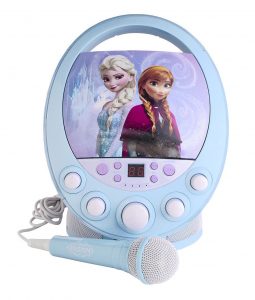
These standalone units include speakers, microphones, and screens. Because everything integrates into one system, setup feels simple.
Many beginners prefer this option for convenience. You plug it in and start singing immediately.
All-in-one karaoke machines for beginners often include lyric displays and basic recording features.
Portable Karaoke Speakers
Portable systems connect to smartphones or tablets. They usually rely on streaming apps for lyrics and music.
Because they weigh less and use rechargeable batteries, they offer flexibility. You can practice in different rooms or even outdoors.
TV-Connected Karaoke Systems
Some setups connect directly to your television. Larger screens improve lyric readability.
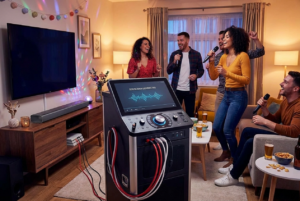
This option suits beginners who enjoy singing with friends or family. However, ensure compatibility with streaming platforms before purchasing.
Microphone Quality and Comfort
Microphone design affects sound clarity significantly. Lightweight microphones reduce hand fatigue during longer sessions.
Additionally, responsive microphones capture subtle vocal nuances. Clear pickup allows you to identify pitch issues quickly.
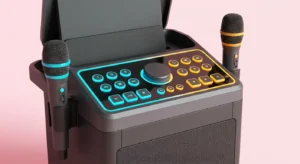
Many karaoke machines for beginners include dual microphones. This feature supports duet practice and builds confidence in group settings.
Consider adjustable microphone volume as well. Balanced levels prevent overpowering background music.
Song Libraries and App Compatibility
A strong song library enhances practice variety. Some machines include built-in tracks. Others rely on streaming apps.
Choose a system compatible with popular karaoke platforms. Because song variety motivates consistency, access to updated libraries matters.
Karaoke machines for beginners that support app connectivity often provide broader genre options. As a result, you explore different vocal styles easily.
Volume Control and Night Practice
Practicing at different times requires flexible volume settings. Adjustable output prevents disturbing neighbors or family members.
Headphone support offers private rehearsal options. Although not all systems include this feature, it proves valuable for late-night sessions.
Quiet practice ensures daily repetition without interruption. Therefore, prioritize volume control when evaluating options.
Recording and Playback Features
Recording capabilities help track improvement. Listening to playback reveals pitch inconsistencies and timing issues.
Many karaoke machines for beginners include simple recording buttons. This function transforms casual practice into structured vocal training.
Regular self-review builds awareness and accelerates progress.
Budget Considerations
Price ranges vary widely. Fortunately, beginners do not need expensive professional systems to start.
Entry-level karaoke machines for beginners often include essential features at affordable prices.
However, avoid extremely cheap devices with weak speakers or poor microphones. Quality sound matters for accurate vocal development.
Balancing budget with performance ensures satisfying long-term use.
Creating an Effective Singing Routine
Owning equipment alone does not guarantee improvement. Structured practice maximizes results.
Begin with breathing exercises for five minutes. Then sing simple scales before moving into full songs.
Focus on one song section repeatedly. This repetition strengthens consistency and control.
Because karaoke machines for beginners make repetition enjoyable, structured sessions feel less like work.
Common Mistakes Beginners Make
Some new singers rely too heavily on echo effects. Although it boosts confidence, excessive reverb hides pitch issues.
Others sing at maximum volume constantly. However, controlled dynamics protect vocal health.
Additionally, skipping warm-ups can strain vocal cords. Always prepare your voice before extended sessions.
By avoiding these mistakes, your karaoke practice becomes more effective.
Long-Term Benefits of Karaoke Practice
Consistent singing improves breath support, pitch accuracy, and stage confidence.
Karaoke machines for beginners create a foundation for public performance. As comfort grows, singing in front of others feels less intimidating.
Over time, regular practice enhances vocal strength and emotional expression.
Whether you pursue singing professionally or casually, structured home rehearsal supports steady growth.
Conclusion
Learning to sing requires patience, repetition, and confidence. Karaoke machines for beginners provide a supportive environment for consistent practice.
By choosing a system with clear sound, reliable microphones, and flexible connectivity, you create a strong foundation.
Combine structured routines with enjoyable song selection. Over time, your voice becomes stronger, steadier, and more expressive.
With the right equipment and dedication, singing transforms from hesitation into confident performance.
FAQ
1. Are karaoke systems good for vocal training?
Yes. They improve pitch accuracy, timing, and confidence when used consistently with proper warm-ups.
2. Do beginners need expensive equipment?
No. Affordable systems with clear sound and basic features work well for starting out.
3. Can karaoke practice improve stage confidence?
Regular rehearsal reduces anxiety and builds familiarity with performing songs aloud.
4. Should I record myself while practicing?
Yes. Playback reveals pitch and timing issues that may not be obvious during singing.
5. Is it safe to sing every day?
Daily practice is safe if you warm up properly and avoid straining your voice.