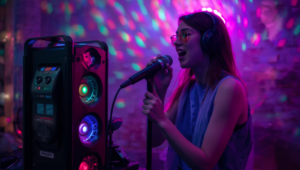
Bringing the joy of music into your home is a fantastic way to create lasting family memories. If you’ve been considering a vocal outlet for your little ones, finding the perfect karaoke machine for kids can transform ordinary afternoons into epic sing-alongs and spark a lifelong love for performance. But with so many options on the market, how do you choose the right one that’s both fun and appropriate for young singers? This comprehensive guide will walk you through everything you need to know to make an informed decision.
Why a Dedicated Singing Machine for Children is Different
It might be tempting to just hand a child an adult-sized microphone, but dedicated kid-friendly karaoke machines offer distinct advantages. They are designed with children’s safety, durability, and developmental stages in mind. This means features like simplified controls, robust construction that can withstand drops, and volume limiters to protect young ears. The content and features are often tailored to appeal to younger audiences, making the experience more engaging and accessible. Furthermore, these devices often come in vibrant colors and playful designs, which naturally attract young users and encourage participation.
Key Features to Look for in a Kid-Friendly Karaoke Machine
When evaluating systems, consider these essential features that cater specifically to children:
Microphone Quality and Durability
Kids can be tough on toys, so look for microphones that are sturdy, easy for small hands to grip, and can survive accidental drops. While professional sound quality isn’t the top priority, clear audio is important. Some systems include multiple microphones, perfect for duets or group performances. For instance, a microphone with a foam cover can offer extra protection against minor impacts and also improve sound clarity by reducing plosives.
Parental Volume Controls
Protecting your child’s hearing is paramount. Many kid-specific machines come with adjustable volume limits or built-in caps to prevent excessively loud playback, giving parents peace of mind. According to the CDC, prolonged exposure to loud noise can cause hearing damage, making this feature crucial. Consequently, always prioritize models that offer this safety measure.
Connectivity and Pre-Loaded Content
Consider how songs will be played. Do you want a machine with pre-loaded children’s tunes? Or one that connects via Bluetooth to your phone or tablet for streaming from apps like YouTube Kids? Some even have USB ports for MP3s. Flexibility in content access is a big plus. Moreover, the ability to connect to various music sources ensures a wider range of songs, keeping the experience fresh and exciting for your child.
Portability and Power
Will the machine stay in one room or travel to playdates and family gatherings? Portable, battery-operated options offer greater flexibility. Check battery life and whether it uses standard batteries or a rechargeable pack. A lightweight design, coupled with a sturdy handle, makes it easy for children to carry their own entertainment system from room to room or to a friend’s house.
Fun Extras: Light Effects and Voice Changers
Kids love a spectacle! Flashing LED lights, disco balls, and fun voice-changing effects (like robot or chipmunk modes) can significantly enhance the entertainment value and encourage creative play. These features transform a simple sing-along into a full-blown performance, boosting confidence and engagement. For example, a built-in light show can make your child feel like a true star on stage.
Recording Features
Some machines allow children to record their performances, letting them listen back, share with family, and track their vocal progress. This can be a great confidence booster. Additionally, it offers a fun way for children to hear their own voice and refine their singing skills over time. This functionality also provides a wonderful keepsake for parents.
Types of Karaoke Systems Best Suited for Children
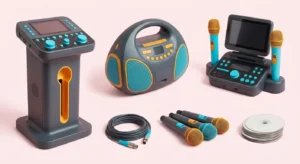
Understanding the different types of singing setups available helps narrow down your choices for a kid-friendly karaoke machine.
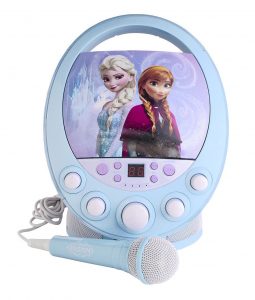
- All-in-One Systems: These are often compact units that include a speaker, amplifier, and one or two microphones. They are typically very user-friendly, making them ideal for younger children. Many all-in-one systems also come with built-in screens or project lyrics onto a wall.
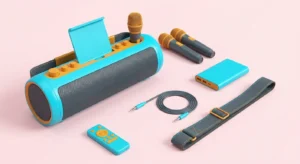
- Microphone-Only Systems: These systems consist of a microphone with a built-in speaker and often connect wirelessly to a smartphone or tablet. They are highly portable and excellent for spontaneous sing-alongs. However, they might lack some of the advanced features of larger units.
- Karaoke Microphones with Stands: These provide a more traditional stage experience, allowing children to stand and perform. They often come with adjustable stands to accommodate different heights and sometimes include additional features like foot pedals for sound effects. These are particularly good for aspiring performers.
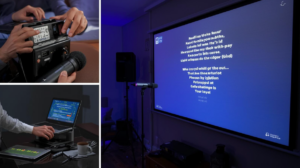
- Plug-and-Play Systems: These connect directly to a TV, using the TV screen to display lyrics. They are simple to set up and often come with a wide selection of pre-loaded songs. This type of karaoke machine for kids is perfect for family movie nights that turn into singing parties.
Each type offers unique benefits, so consider your child’s age, your budget, and how often the machine will be used when making your selection. For more general information on picking the best device, you might want to check out our Rankings for Those who Want to Buy the Best Karaoke Machine.
Age-Appropriate Considerations for Your Child’s Karaoke Machine
Selecting the right karaoke machine for kids also involves considering their age and developmental stage. What works for a toddler might not engage a pre-teen.
For Toddlers (Ages 1-3)
At this age, simplicity and durability are key. Look for machines with large, easy-to-press buttons, pre-loaded nursery rhymes or simple songs, and extremely robust construction. Volume limits are crucial here. A basic singing toy with a single, chunky microphone is often sufficient to introduce them to musical play. Focus on bright colors and engaging lights to capture their attention.
For Preschoolers (Ages 4-6)
Preschoolers can handle slightly more features. A karaoke machine for kids in this age group might include more diverse song options, perhaps some voice-changing effects, and connectivity for streaming. Multiple microphones can be a hit for playdates. Portability also becomes a plus, as they might want to take their machine to different rooms. Look for systems that encourage interaction and imaginative play.
For Early School Age (Ages 7-9)
Children in this age range are often developing their own musical tastes. A karaoke machine that connects to a smartphone or tablet for a broader song selection is ideal. Recording features become more appealing as they enjoy listening back to their performances. Fun light effects and more advanced voice modifiers can keep them engaged. Durability remains important, but they can generally handle more complex controls.
For Pre-Teens (Ages 10-12)
Pre-teens will appreciate machines with good sound quality and extensive connectivity options. They might want to connect to popular music apps and will value features like echo effects and pitch correction. A more sophisticated design, resembling adult karaoke systems, can also be appealing. Consider a system that can grow with them, offering more advanced features as their interest in music deepens. Ultimately, the best karaoke machine for kids in this age group supports their evolving tastes and desire for a more polished performance experience.
Choosing the Best Karaoke Machine for Kids: Budget and Value
Karaoke machines for children come in a wide range of prices. It’s important to balance features with your budget, ensuring you get the best value for your investment.
- Entry-Level Options (Under $50): These are typically basic, all-in-one units or simple microphone systems. They are great for younger children or as a first karaoke experience. You’ll find essential features like volume control and perhaps some pre-loaded songs.
- Mid-Range Options ($50-$150): In this price bracket, you’ll find more advanced features such as Bluetooth connectivity, multiple microphones, better sound quality, and more elaborate light shows. These models often offer a good balance of features and durability, making them a popular choice for many families.
- Premium Options (Over $150): These machines offer superior sound quality, extensive connectivity, often include screens for lyrics, and robust construction. They are designed for serious young performers or families who plan to use the machine frequently for parties and gatherings. Some might even offer professional-grade microphones and advanced recording capabilities.
Remember that a higher price doesn’t always guarantee the best fit for your child. Evaluate the features against your child’s needs and how you intend to use the machine. Sometimes, a simpler, more durable singing machine for kids is the better choice.
Setting Up Your Child’s Karaoke Space
Once you’ve chosen the perfect karaoke machine for kids, creating an inviting performance space can enhance the experience even further.
- Designate a