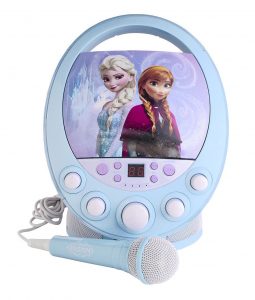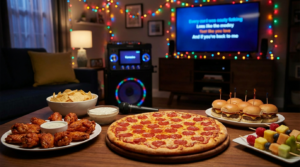
The best portable karaoke machine is the one whose complete kit fits the trip you are planning. Compare carrying weight, documented power use, microphone support and the device that supplies music and lyrics. A small case alone does not answer those questions. Start with your venue and song source, then shortlist machines that can support that arrangement.
This is a practical choosing-and-packing guide based on manufacturer documentation. It contains no personal hiking test, barbecue trial or measured battery result. We use three travel situations to organize the decision rather than inventing named product winners. Check the exact model and seller package before buying, including accessories and current return terms.
Situation one: moving the singalong between rooms
If you mainly carry the machine from a cupboard to the living room, a simple setup may matter more than travel-oriented extras. Decide where singers will read lyrics and whether your phone supplies the songs. Check the connections and included microphones. You can keep the shortlist focused on the functions that complete that ordinary home session.
Plan storage as part of portability. The charger, microphone and necessary cables should be easy to find together. If the equipment needs an external screen, decide whether that screen stays in one room or travels with the kit. A machine that appears compact may still require several separate items every time you sing.
Situation two: carrying the kit to another home
Write down what the host can provide and what you must bring. Do not assume a television, suitable input or network access will be available. If your music service needs an account or subscription, verify the intended arrangement beforehand. A speaker with wireless playback is not automatically a self-contained library of karaoke songs and lyrics.
Choose a bag or case around the equipment’s actual dimensions and accessory list. Check whether handles, stands and holders can be transported as instructed. Keep product documents with your notes. You do not need to claim that a machine survived a fictional road trip to compare the practical load and setup requirements for a real visit.
Situation three: using a different venue or outdoor space
Read the exact manufacturer’s environmental and power instructions. Portable does not mean suitable for every wet, hot or dusty setting. Plan where the lyrics device, microphones and connections will sit as well as the speaker. One item’s environmental rating does not extend automatically to every accessory in the kit.
If the location does not meet the documented use conditions, choose another arrangement or site. Confirm the rules and available facilities for the intended venue. A battery, carrying handle or promotional poolside photograph is not enough evidence to call a product an outdoor winner. The practical shortlist should reflect the conditions you can actually provide.
Compare two documented examples without inventing a ranking
The official JBL — PartyBox Encore Essential 2 specification sheet lists microphone and guitar inputs for the PartyBox Encore Essential 2 and describes its playtime with conditions. Use the exact specification sheet and package list when investigating that model. It is a portable party-speaker example to examine, not a claim of independent karaoke test results or a complete lyrics system.
The official Singing Machine — SML640 setup and troubleshooting describes the Singing Machine SML640 as a portable karaoke speaker and explains its mobile-app setup. That makes the song-source and device arrangement worth investigating alongside the carrying kit. Compare the current version’s instructions with your plan. These examples show different questions to ask; neither is declared the best machine for every gathering.
Read battery information as a complete power plan
Keep any manufacturer’s up-to runtime beside its stated conditions. Check how the machine charges, whether operation while charging is documented and what the microphones need separately. A speaker battery figure does not describe the phone or tablet providing songs. Each device in the kit needs a plan for the intended session.
If you make your own setup observation, record the model, settings and connected devices rather than generalizing from one evening. Leave time for the documented charging arrangement. Do not improvise a replacement adapter because a plug appears to fit. A known working power setup is more useful than an unsupported promise of all-day entertainment.
Confirm microphone compatibility before choosing duets
Check how many microphones the exact machine supports simultaneously and what equipment is required. A receiver, microphone socket and wireless pairing arrangement may provide different functions. Consult the manual instead of assuming that a spare microphone from another set will work. Decide whether separate microphone controls are part of your needs.
For one singer, compare the actual cable route or wireless-power arrangement. A wired microphone needs space that avoids busy paths; a wireless microphone needs its supported receiver and batteries or charging. Neither category is automatically superior for travel. Choose around your room and movement needs, then confirm the equipment combination you plan to carry.
Trace the lyrics connection from start to finish
Identify the device displaying words, the device selecting songs and the route carrying music to the speaker. A Bluetooth audio link does not automatically provide a television picture. Check app and equipment documentation for the exact arrangement. If you intend to sing offline, verify that function rather than assuming it is included.
Try one song and one song change before packing. Keep the necessary cable or holder with the kit, and save a short connection note if another person will help set up. A portable machine’s value to your gathering depends partly on whether everyone can see the words and manage the source without interrupting the session.
Judge usable sound under a comparable setup
If you can try a candidate, use a familiar backing track at a comfortable level and then add the intended microphone. Keep effects modest while checking whether voice and music can be balanced. A larger advertised power figure does not establish clarity in your chosen space or replace an actual listening observation.
Shure — How to Control Feedback in a Sound System explains the microphone-to-loudspeaker loop and the role of placement and levels. Apply that context alongside the machine’s instructions. If a squeal occurs, reduce or stop the sound and review the setup rather than repeatedly raising controls. A more expensive microphone is not an automatic fix for a placement or level problem.
Compare the complete cost and included parts
Add the current machine price, microphone arrangement, required connections, carrying equipment and song-service access. Separate optional extras from necessary items. A larger bundle may contain things you do not need, while a low unit price can omit parts essential to your plan. This guide offers no current bargain ranking or fixed price threshold.
Match the model name and number across the official documents and seller listing. Check warranty and return arrangements for that purchase. If a critical connection remains unknown, resolve it before ordering. A useful shortlist should show an unanswered question openly rather than replace missing information with a fabricated first-hand verdict.
Pack a kit another person can understand
Label the cables by function and keep power accessories with the right device. Follow the manufacturer’s transport and storage guidance. A padded bag does not certify waterproofing or protection against every impact. Keep drinks away from electronics and inspect the kit for visible damage before setting it up again.
Set a basic starting arrangement for your gathering: one song source, readable lyrics and a working microphone. Add effects or another microphone after those pieces work. If someone else helps, explain which controls change music and which change voice. The preparation can be simple while still covering the connections your particular kit requires.
Choose for the trip, then keep the session comfortable
NIDCD — Noise-Induced Hearing Loss explains why loudness and exposure duration matter to noise-related hearing risk. The listening information here is general education, not medical advice. A portable label or power rating does not establish a safe listening exposure. Keep levels manageable and review placement rather than treating the loudest demonstration as the best sound.
The best portable karaoke machine shortlist should now connect each candidate with your venue, complete carrying kit, power plan and song source. Retain documented features and actual observations separately. Once those requirements fit, you can focus on choosing music and taking turns. Portable singing is easier to organize when the equipment follows the gathering you have planned, with no invented performance or durability promise.