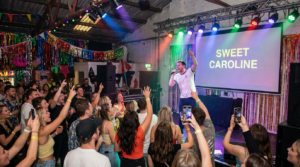
A karaoke party can be fun. Yet a karaoke party concert feels electric. There’s a difference between people singing in a room and a crowd reacting like they’re front row at a live show. The good news is this transformation doesn’t require a stadium budget. Instead, it requires intention, atmosphere, and a few smart decisions.
When guests walk in and feel anticipation instead of hesitation, something special happens. Voices get louder. Smiles get wider. Applause feels natural. That’s the moment when your karaoke party stops being background entertainment and starts feeling like a concert.
Let’s explore how to make that happen.
Why a Karaoke Party Concert Feels So Different
Concerts trigger emotion. Lights dim. Music swells. Attention focuses forward. A karaoke party concert recreates that same emotional arc on a smaller scale.
Unlike casual karaoke, a concert-style setup invites commitment. Singers step into a role. Guests become an audience. Energy flows in both directions.
This shift matters because people perform differently when they feel supported. Nervous laughter fades. Confidence rises. Suddenly, everyone wants a turn.
Creating that feeling is less about equipment and more about experience.
Set the Stage Like a Real Concert
Every concert starts with a stage. At home, that stage doesn’t need height. It needs definition.
Choose a clear performance area. Move furniture aside. Create space for singers to stand comfortably. Position speakers facing the audience area, not the performer.
Lighting helps define this space. Even subtle changes matter. Dim the room lights. Add focused light toward the singer. That contrast signals importance.
A karaoke party concert begins the moment the room tells people where to look.
Lighting That Builds Concert Energy
Lighting changes mood faster than music. Bright overhead lights feel casual. Softer, directional lighting feels intentional.
Use lamps, LED strips, or smart bulbs if available. Warm colors work well early. Cooler tones raise energy later. Movement adds excitement when timed with songs.
Avoid blinding lights. Singers should feel visible, not exposed. The goal is atmosphere, not interrogation.
As lighting improves, performances often improve with it.
Sound That Feels Big Without Being Loud
Concert sound feels full, not painful. Balance matters more than volume.
Adjust music and vocals carefully. Voices should sit above the track without overpowering it. Clear lyrics help singers stay confident.
Avoid distortion. If sound cracks, lower levels. Clean audio always feels more professional.
A karaoke party concert succeeds when sound supports performance rather than dominating it.
Create a Real Show Flow
Concerts follow rhythm.
Apply that same thinking to your karaoke night. Start with familiar, mid-tempo songs. Build energy gradually. Save high-energy anthems for peak moments.
Avoid stacking slow songs back-to-back early. Momentum matters. Later, emotional ballads land better once people are invested.
Flow keeps attention locked in. Without it, energy drifts.
Build Anticipation Before Each Performance
Concerts hype the crowd before songs. Karaoke can do the same.
Announce singers briefly. Encourage applause before they start. Countdowns help too. Even a simple “Are you ready?” changes energy.
These moments give performers time to breathe. They also invite the audience into the moment.
A karaoke party concert thrives on shared anticipation.
Encourage Crowd Interaction
Concert crowds sing along. They clap. They cheer.
Encourage that behavior openly. Suggest call-and-response songs. Invite clapping during choruses. Celebrate big notes.
Audience participation removes pressure from singers. It turns performances into shared experiences.
When the crowd engages, even shy singers feel brave.
Dress the Part for a Concert Vibe
Visual cues matter. Clothes signal intention.
Encourage guests to dress like performers or fans. Concert tees, bold colors, or themed outfits work well. Even simple accessories help.
You don’t need costumes. You need permission to play a role.
When people dress differently, they behave differently. That shift supports the karaoke party concert feel.
Use a Host, Not Just a Playlist
Concerts have emcees. Karaoke benefits from one too.
The host sets tone.
Hosting doesn’t require perfection. It requires enthusiasm. Jokes help. Encouragement matters more.
A strong host keeps energy consistent throughout the night.
Visuals That Amplify the Experience
Big concerts use screens for impact. Karaoke can borrow that idea.
Project lyrics onto a larger screen if possible. Use background visuals when available. Even subtle motion adds depth.
Avoid cluttered visuals. Clarity helps singers focus.
Visual scale contributes to the concert illusion.
Sound Checks Make a Difference
Concerts always test sound. Karaoke should too.
Before guests arrive, test microphones. Adjust levels. Walk the room. Listen from different spots.
Small tweaks prevent big problems later. They also reduce interruptions.
A smooth start builds trust in the setup.
Encourage Performance, Not Perfection
Concerts aren’t about flawlessness. They’re about feeling.
Remind guests that mistakes are welcome. Celebrate effort. Applaud courage.
When perfection fades as a goal, enjoyment rises. Performances feel freer.
A karaoke party concert succeeds when people feel safe being bold.
Use Setlists Instead of Random Queues
Concerts follow setlists. Karaoke can benefit from the same idea.
Group songs by energy or theme. Rotate singers fairly. Avoid long waits between performances.
Setlists create momentum. They also reduce awkward pauses.
Structure supports spontaneity when done right.
Create Signature Moments
Great concerts have highlights. Karaoke nights can too.
Plan group finales. Choose one anthem everyone sings together. Save it for the end.
These moments create memories. People remember them long after.
A strong ending leaves guests wanting more.
Refresh the Atmosphere Midway
Energy dips happen. Anticipate them.
Change lighting colors. Adjust volume slightly. Introduce a surprise duet or group song.
These shifts reset attention. They prevent fatigue.
Concerts manage energy intentionally. Karaoke should too.
Mind the Room Layout
Audience comfort affects engagement. Ensure seating faces the performance area.
Leave space for movement. Dancing happens naturally when energy rises.
Clear pathways prevent distractions. Flow matters physically as well as musically.
A thoughtful layout supports immersion.
Use Breaks Strategically
Concerts include pauses. Karaoke should as well.
Short breaks allow voices to rest. They also let energy rebuild.
Play background music during breaks. Keep mood alive.
Timing breaks wisely maintains momentum.
Capture the Moment
Photos and short videos add excitement. However, balance matters.
Encourage sharing without forcing it. Avoid constant recording that distracts.
Moments feel bigger when witnessed, not just filmed.
Let memories form naturally.
Why Confidence Is Contagious
One bold performance changes the room. Confidence spreads quickly.
Support early singers enthusiastically. Their bravery inspires others.
As momentum builds, hesitation fades.
A karaoke party concert feeds on confidence loops.
Avoid Common Mood Killers
Technical issues, long waits, and negative comments break immersion.
Prepare equipment. Keep queues moving. Shut down criticism gently.
Protect the vibe. Once broken, it’s hard to rebuild.
Awareness prevents problems before they start.
End on a High Note
Concerts close strong. Karaoke should too.
Choose an uplifting final song. Encourage everyone to join. Increase lighting gradually.
Thank participants. Acknowledge the crowd.
Strong endings frame the entire night positively.
Conclusion
Turning your karaoke night into a karaoke party concert isn’t about expensive gear or perfect vocals. It’s about intention, atmosphere, and shared energy. When sound feels balanced, lighting sets mood, and people feel supported, performances transform. Suddenly, your living room feels like a venue, your guests feel like stars, and the night feels unforgettable. Create the space, guide the flow, and let the music do the rest.
FAQ
1. Do I need professional equipment for a karaoke party concert?
No. Thoughtful setup and atmosphere matter more than high-end gear.
2. How many songs should each singer perform?
One or two songs per round keeps energy high and waits short.
3. What lighting works best for a concert feel?
Soft, directional lighting with subtle color changes creates the best mood.
4. How do I encourage shy guests to sing?
Start with group songs and celebrate effort rather than skill.
5. Can a small space still feel like a concert?
Yes. Defined stages, balanced sound, and crowd interaction make any space work.