Hosting a karaoke competition at home can feel intimidating at first. You might picture tangled wires, awkward silences, or guests too shy to sing. However, when done right, a home karaoke competition becomes pure magic. Laughter fills the room. Confidence grows with every performance. Suddenly, your living room feels like a stage.
When you host karaoke competition nights at home, you’re not just organizing an activity. You’re creating an experience. People love friendly competition, especially when music is involved. Singing removes walls. It invites vulnerability. That’s where the fun lives.
The secret lies in preparation and flow. You don’t need expensive gear or professional judges. Instead, you need structure, encouragement, and a relaxed mindset. Think of it like hosting a dinner party. When guests feel welcome, everything else falls into place.
This guide walks you through every step. By the end, you’ll feel confident enough to host karaoke competition events that guests remember for years.
Why Hosting a Karaoke Competition Works So Well at Home
Home competitions feel safer than public ones. Guests are surrounded by friends. Judgment feels lighter. That comfort encourages participation.
Unlike casual karaoke, a competition adds purpose. Performers have a goal. Even playful rivalry boosts energy. People cheer louder. Performances feel bolder.
When you host karaoke competition nights at home, you also control the vibe. You choose the rules. You set the tone. That flexibility makes the experience adaptable to any group.
Additionally, competitions create moments. A surprise high note. A dramatic finale. A group sing-along. These moments become stories that guests retell long after the night ends.
Preparing Your Space for a Karaoke Competition
Your space sets the stage. It doesn’t need to be large, but it should feel intentional.
First, clear a performance area. This space becomes the “stage.” Even a small corner works if it feels special. Rearranging furniture helps signal that something different is happening.
Lighting matters. Soft lighting works for the audience. Brighter light highlights performers. Lamps, string lights, or LEDs can transform the mood quickly.
Next, consider sound flow. Place speakers facing the audience, not the microphones. This setup reduces feedback and improves clarity.
When you host karaoke competition events, visual cues matter. A defined stage area boosts confidence. Performers feel seen, which improves performances.
Choosing the Right Karaoke Setup
Equipment doesn’t have to be complex. Simple setups often work best.
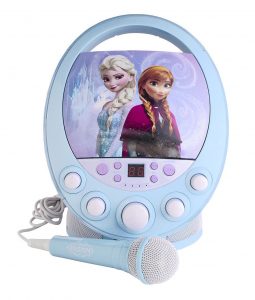
Many hosts use plug-and-play karaoke systems. These include speakers, microphones, and basic controls. Setup stays quick, which keeps energy high.
If you already own speakers, a karaoke app paired with a microphone works too. The key is reliability. Test everything before guests arrive.
Lyrics should be visible. Use a TV, projector, or tablet. Ensure everyone can read from the performance area.
When sound works smoothly, singers relax. That relaxation translates into better performances.
Setting Clear Competition Rules
Rules provide structure. Without them, confusion creeps in.
Start simple. Decide how many rounds there will be. One or two rounds work well for small groups. Larger groups may need elimination rounds.
Next, set time limits. Short performances keep the night moving. Two to three minutes per song works well.
Explain judging criteria clearly. Categories like vocal ability, stage presence, and crowd engagement are easy to understand.
When you host karaoke competition nights, clarity prevents tension. Guests should know what to expect before the first song begins.
Creating a Fair and Fun Judging System
Judging doesn’t need to feel serious. In fact, lighthearted judging keeps the mood fun.
You can appoint a small panel of judges. Rotate judges between rounds to avoid bias. Alternatively, use audience voting for inclusivity.
Scorecards help maintain structure. Simple scales, like one to five, work well. Encourage judges to give positive feedback.
Prizes should feel playful. A trophy, a ribbon, or a silly title works perfectly. The reward is the experience, not the prize.
Fair judging builds trust. Trust keeps people engaged.
Encouraging Participation From Shy Guests
Not everyone jumps on stage immediately. That’s normal.
Start with confident singers. Their energy sets the tone. Once others see the room’s supportive vibe, hesitation fades.
Group performances help. Duets or trios feel less intimidating. Encourage friends to perform together early in the night.
Applause matters. Cheer loudly for every performance. Positive reinforcement builds courage.
When you host karaoke competition events, remember this. The goal is inclusion, not perfection.
Selecting Songs That Keep Energy High
Song choice shapes momentum. Too many slow songs drain energy. Too many fast songs exhaust singers.
Encourage variety. Mix ballads with upbeat tracks. Allow different genres. This balance keeps the audience engaged.
Set basic guidelines. Avoid songs longer than five minutes. Encourage familiar tracks to boost sing-alongs.
Offering a shared song list helps. It speeds up decisions and prevents delays.
When song flow feels natural, the night feels effortless.
Managing the Flow of the Competition
Flow is everything. Long pauses kill excitement.
Prepare a performance order in advance or draw names randomly. Either method works if it’s clear.
Between performances, keep talking. As host, fill gaps with encouragement or humor. Short comments maintain momentum.
Breaks matter too. Schedule a short break halfway through. It gives singers time to relax and recharge.
When you host karaoke competition nights, smooth transitions make the event feel professional.
Using Themes to Elevate the Competition
Themes add excitement. They give direction without limiting creativity.
Popular themes include decades, movie soundtracks, or pop hits. Choose something familiar to your group.
Themes simplify song selection. Guests feel less overwhelmed. That confidence improves participation.
Costumes enhance the experience. Even simple accessories make performances more entertaining.
Themed competitions feel cohesive. They turn singing into storytelling.
Keeping the Atmosphere Supportive
Competition should never feel harsh. Support is key.
Remind everyone that the goal is fun. Laugh at mistakes. Celebrate effort.
Avoid negative comments. Judges should focus on strengths. Constructive feedback works better than criticism.
Encourage audience participation. Clapping, singing along, and cheering create safety.
A supportive atmosphere turns nervous singers into confident performers.
Handling Technical Issues Gracefully
Technology sometimes misbehaves. Preparation helps, but flexibility matters.
If sound cuts out, stay calm. Use humor. Fix the issue quickly.
Have backup microphones if possible. Keep spare batteries nearby.
When issues arise, your reaction sets the tone. Calm hosts keep guests relaxed.
Most problems pass quickly. The night continues.
Adding Creative Twists to Your Competition
Creative twists keep things fresh.
You might include a surprise round. Mystery songs add excitement. Duet challenges spark laughter.
Audience choice rounds engage everyone. Let the crowd pick a song or style.
Small twists break predictability. They keep attention sharp.
When you host karaoke competition events regularly, these ideas prevent repetition.
Ending the Night on a High Note
The ending matters. Plan it intentionally.
Save the most exciting performances for last. End with a group sing-along if possible.
Announce winners clearly. Celebrate everyone, not just the top singer.
Thank guests for participating. Acknowledge effort and bravery.
Strong endings leave lasting impressions.
Why Hosting at Home Beats Going Out
Home competitions offer comfort. No pressure from strangers. No time limits from venues.
Guests relax faster. Performances feel more authentic.
You control the pace. You control the rules. That freedom creates better experiences.
When you host karaoke competition nights at home, the focus stays on connection.
Conclusion
Learning how to host karaoke competition events at home opens the door to unforgettable nights. With thoughtful preparation, clear rules, and a supportive atmosphere, anyone can create a lively, engaging competition. You don’t need perfection. You need enthusiasm, structure, and heart. When music fills the room and laughter follows, you’ll know you did it right.
FAQ
1. Do I need professional equipment to host a karaoke competition?
No. Simple karaoke systems or apps work perfectly for home competitions.
2. How many people can join a home karaoke competition?
Small groups of six to twelve work best, but larger groups can work with rounds.
3. What if guests are too shy to sing?
Start with confident singers and encourage group performances early.
4. Should I offer prizes for winners?
Yes, but keep them fun and lighthearted rather than competitive.
5. How long should a karaoke competition last?
Two to three hours is ideal to maintain energy and excitement.