Planning to host a karaoke party in a small home or apartment might seem challenging at first. However, limited space does not mean limited fun. In fact, small gatherings often feel more energetic and personal than large events.
With thoughtful planning, clever setup, and the right equipment, you can transform a compact living room or studio apartment into an exciting karaoke stage. Additionally, smaller environments often create better audience interaction because guests sit closer together.
Moreover, karaoke thrives on enthusiasm rather than space. When friends feel relaxed and comfortable, they sing louder, laugh harder, and participate more.
This guide explains how to organize an unforgettable karaoke event even if your space feels tight. By following these practical strategies, you can confidently host a karaoke party that keeps everyone entertained all night.
Why Small Spaces Are Perfect for Karaoke Parties
Many people assume karaoke requires a large room. However, smaller spaces actually improve the experience.
First, guests naturally sit closer together. As a result, everyone stays engaged with the performance. This intimacy encourages participation because singers feel supported instead of judged.
Additionally, sound travels better in compact environments. A small room requires less speaker power to create a lively atmosphere. Therefore, you can host a karaoke party without investing in professional audio equipment.
Another advantage involves social energy. When people share a close space, conversations flow easily between songs. Guests cheer louder and interact more often.
Furthermore, managing the party becomes simpler. You can control lighting, volume, and song flow with minimal effort.
Because of these benefits, many hosts intentionally choose smaller rooms when planning karaoke gatherings.
Preparing Your Space for Karaoke Night
Before guests arrive, prepare the room carefully. Small adjustments can dramatically improve the experience.
Clear and Organize the Area
Start by removing unnecessary furniture. Extra chairs, tables, or decorations restrict movement.
Instead, create an open singing area. This small stage encourages performers to stand confidently while others watch comfortably.
If possible, push larger furniture against the walls. Doing so helps you host a karaoke party with enough space for both performers and the audience.
Additionally, ensure cables and equipment remain tidy. Messy wires quickly become hazards in tight rooms.
Choose the Best Spot for the Stage
The singing area should remain visible from every seat.
A corner or wall-facing space works well because speakers can project sound toward the audience. Moreover, placing performers near a wall often improves acoustics.
Lighting also matters. A simple lamp or LED strip behind the stage area creates a spotlight effect.
These small touches make it easier to host a karaoke party that feels organized and exciting.
Arrange Comfortable Seating
Small spaces require creative seating arrangements.
Use couches, floor cushions, stools, or even blankets for relaxed seating. Flexible seating keeps the room open while allowing guests to settle comfortably.
Additionally, arrange seats in a semi-circle facing the stage. This layout keeps everyone focused on the performance.
Consequently, your karaoke gathering feels more like a mini concert.
Choosing the Right Karaoke Equipment
The equipment you select determines how smoothly the night runs.
Fortunately, you do not need professional gear to host a karaoke party successfully.
Compact Karaoke Machines
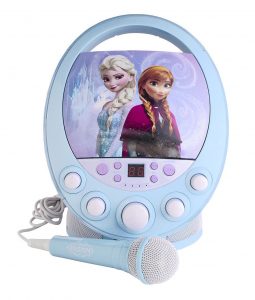
Portable karaoke machines work perfectly in small rooms.
These systems often include built-in speakers, microphones, and Bluetooth streaming. Therefore, setup remains simple and fast.
Many modern machines also feature echo controls and vocal effects. These additions help singers sound more confident.
Because they occupy minimal space, compact machines suit apartments and small living rooms.
Smartphone or TV Karaoke Setup
Another option involves using a television and streaming karaoke tracks.
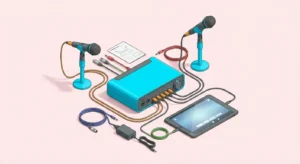
Many hosts connect a microphone and speaker to a smart TV or laptop. Then they play karaoke videos through YouTube or karaoke apps.
This method allows you to host a karaoke party with unlimited song choices.
Additionally, lyrics appear clearly on the screen, making it easier for guests to follow along.
Microphones and Sound Balance
Microphones remain essential for any karaoke setup.
Wireless microphones work best in tight rooms because they eliminate cable clutter. However, wired options also function well if positioned carefully.
Balance the music and microphone volume before guests begin singing. This quick adjustment prevents feedback and keeps vocals clear.
As a result, everyone enjoys the music without overwhelming noise.
Creating a Fun Party Atmosphere
Atmosphere transforms a simple karaoke night into a memorable event.
Lighting, decorations, and music transitions all contribute to the mood.
Use Simple Lighting Effects
Professional stage lighting is unnecessary.
Instead, use LED strips, colored bulbs, or small disco lights. These inexpensive tools create an energetic stage environment.
Dim overhead lights slightly to highlight the performance area. This setup encourages guests to step forward and sing.
When you host a karaoke party with creative lighting, the entire room feels more exciting.
Decorate with a Music Theme
Small decorative touches reinforce the party vibe.
Consider music-themed decorations such as microphone props, record posters, or star-shaped lights. Even simple banners add personality.
Additionally, place a small sign near the stage welcoming performers. Guests appreciate playful details that make the night feel special.
Build an Exciting Song Queue
Managing songs efficiently keeps the event flowing smoothly.
Prepare a simple sign-up list where guests write their song choices. This system prevents confusion and ensures everyone gets a turn.
You can also encourage themed rounds, such as 90s hits, movie songs, or duet battles.
Because of these activities, you can easily host a karaoke party that stays engaging throughout the evening.
Managing Sound in a Small Room
Sound control matters greatly in tight spaces.
Without proper adjustments, music may become too loud or distorted.
Control Speaker Volume
Begin with moderate volume levels.
Small rooms amplify sound quickly. Therefore, loud speakers can overwhelm the audience.
Adjust the volume gradually while someone sings. This method helps find the perfect balance.
Maintaining comfortable sound levels allows you to host a karaoke party without disturbing neighbors.
Improve Room Acoustics
Hard surfaces reflect sound strongly.
If possible, add soft materials such as rugs, curtains, or pillows. These items absorb excess echo and improve vocal clarity.
Even a few soft furnishings can dramatically enhance audio quality.
Avoid Microphone Feedback
Feedback occurs when microphones capture sound from nearby speakers.
Place speakers slightly in front of the singer rather than behind them. Additionally, keep microphones pointed away from speakers.
These simple adjustments prevent the high-pitched noise that sometimes interrupts karaoke sessions.
Keeping Guests Engaged
Karaoke parties thrive on participation.
Even guests who hesitate to sing can still enjoy the experience.
Encourage Group Songs
Group performances reduce pressure on shy singers.
Invite several guests to perform together on popular songs. This strategy builds confidence while increasing energy in the room.
Because everyone participates, the night becomes more inclusive.
Add Friendly Challenges
Games and mini contests create excitement.
You might offer fun awards such as:
Best performance
Funniest singer
Best duet
Most dramatic performance
These playful competitions help you host a karaoke party filled with laughter and creativity.
Provide Snacks and Drinks
Simple refreshments keep guests energized.
Finger foods work best in small spaces because they require minimal seating. Consider snacks like chips, sliders, or fruit trays.
Drinks also help guests relax before singing.
However, keep food areas separate from equipment to avoid spills.
Smart Tips for Small-Space Hosting
A few strategic tricks make karaoke easier in limited areas.
First, keep the guest list manageable. A group of six to ten people works well in smaller rooms.
Second, create clear pathways around the stage and seating area. Guests should move freely without bumping into equipment.
Third, prepare a short playlist to start the evening. Early songs break the ice and encourage participation.
When you carefully plan these details, you can easily host a karaoke party that feels lively and comfortable.
Conclusion
Hosting karaoke in a small space may sound difficult, yet it often produces the most memorable gatherings. Close seating, shared laughter, and energetic performances create a warm and engaging atmosphere.
With thoughtful preparation, you can transform any living room or apartment into a fun karaoke stage. Clear the space, organize the equipment, and create a welcoming performance area.
Additionally, encourage participation through group songs and friendly competitions. These activities keep guests involved throughout the evening.
Most importantly, remember that karaoke celebrates music, laughter, and connection. When friends gather to sing together, the room instantly fills with joy.
By following these practical tips, anyone can confidently host a karaoke party that delivers big entertainment in a small space.
FAQ
- What equipment do I need for a karaoke night at home?
A karaoke machine or speaker, microphones, and a screen for lyrics are usually enough for a successful setup. - How many guests work best in a small karaoke space?
Six to ten guests often create the ideal balance between energy and comfort in limited rooms. - Can I run karaoke using only a smartphone and TV?
Yes. Many people stream karaoke tracks from YouTube while connecting microphones and speakers. - How do I keep karaoke music from being too loud in an apartment?
Start with lower volume settings and gradually increase them until vocals remain clear without overwhelming the room. - What are fun ways to encourage shy guests to sing?
Group performances, duets, and friendly competitions often help hesitant guests feel more comfortable participating.