Hosting karaoke nights for beginners can feel challenging at first. Many new singers worry about stage fright or making mistakes. However, with thoughtful planning and the right atmosphere, you can turn hesitation into excitement.
A welcoming environment encourages participation and laughter. Instead of focusing on vocal perfection, prioritize fun and comfort. As a result, guests feel relaxed and more willing to sing.
In this guide, you will discover practical strategies to create engaging karaoke nights for beginners that build confidence and keep everyone entertained.
Create a Relaxed and Supportive Atmosphere
Atmosphere determines how comfortable guests feel. Therefore, focus on warmth rather than competition.
Dim lighting slightly to reduce pressure. Soft lighting makes the space feel cozy and less intimidating.
Encourage applause for every performer. Positive reinforcement boosts morale quickly.
When organizing karaoke nights for beginners, emphasize enjoyment instead of technical skill. A supportive tone sets the foundation for success.
Additionally, begin with group songs. Singing together reduces fear and creates instant connection.
Choose Easy and Familiar Songs
Song selection greatly impacts confidence. Pick tracks with simple melodies and recognizable lyrics.
Popular pop hits, classic rock anthems, and upbeat party songs work well. Because guests already know the words, they feel less anxious.
Avoid overly complex ballads or high-range songs at the start. Gradual difficulty builds comfort over time.
Thoughtful playlists help karaoke nights for beginners feel approachable and enjoyable.
Prepare a Starter Playlist
Create a short list of beginner-friendly songs before the event. This preparation reduces awkward pauses between performances.
Having options ready also prevents guests from overthinking their choices.
Keep Equipment Simple
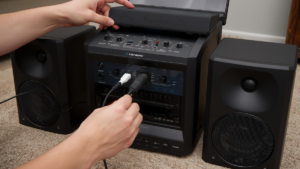
Complicated setups increase stress. Instead, choose user-friendly systems with clear audio and easy controls.
Test microphones and sound levels before guests arrive. Smooth performance prevents technical interruptions.
When hosting karaoke nights for beginners, clarity matters more than loudness. Balanced sound makes singers feel confident without overwhelming them.
Additionally, provide simple instructions for microphone use. Demonstrate how to hold it properly and adjust distance for clear vocals.
Use Fun Icebreaker Activities
Before singing begins, introduce light icebreaker games. For example, play short music trivia or lyric guessing challenges.
These activities warm up the crowd and reduce tension. Once laughter starts, singing feels more natural.
Icebreakers help karaoke nights for beginners transition smoothly into performances.
Group participation also encourages shy guests to join later.
Encourage Duets and Group Performances
Solo singing can feel intimidating. Therefore, offer duet and group options frequently.
Pair confident singers with first-timers. Balanced partnerships provide support.
Group performances create shared responsibility. As a result, individual pressure decreases.
Karaoke nights for beginners thrive when collaboration replaces competition.
Offer Lighthearted Awards
Friendly recognition adds excitement without pressure.
Create playful categories like “Most Energetic Performance” or “Best Throwback Song.”
Avoid ranking singers strictly by skill. Instead, celebrate creativity and enthusiasm.
When you integrate fun awards into karaoke nights for beginners, motivation increases while stress remains low.
Manage Performance Order
Thoughtful scheduling improves flow. Start with confident singers who set a positive tone.
Alternate between upbeat and slower songs to maintain energy balance.
Encourage volunteers rather than forcing participation. However, gently invite hesitant guests when the mood feels right.
Careful pacing ensures karaoke nights for beginners remain lively and inclusive.
Keep the Crowd Engaged
Audience participation boosts overall excitement. Encourage clapping, cheering, and light dancing.
Create simple call-and-response moments during familiar songs.
Active engagement prevents boredom and maintains energy throughout the evening.
When guests feel involved, karaoke nights for beginners become interactive rather than passive experiences.
Provide Comfortable Space
Arrange seating in a semi-circle around the performance area. This layout fosters connection.
Ensure clear walking paths to avoid awkward movement.
Offer water and light refreshments. Hydration supports vocal comfort and keeps guests relaxed.
Comfortable surroundings enhance enjoyment significantly.
Normalize Mistakes
Mistakes are part of learning. Remind guests that karaoke focuses on fun, not perfection.
Laughing off missed lyrics creates a supportive atmosphere.
Share your own imperfections if hosting. This transparency encourages others to relax.
Karaoke nights for beginners feel safer when vulnerability becomes normal.
Capture Positive Moments
Take photos or short videos of performances. However, always ask for consent first.
Sharing highlights afterward reinforces confidence and fond memories.
Positive documentation strengthens group bonds and encourages future participation.
Adjust Volume and Acoustics
Balance music and microphone levels carefully. Excessive volume can intimidate new singers.
Moderate echo and reverb settings add warmth without masking pitch clarity.
Testing audio early ensures smoother transitions during the event.
Proper sound balance improves overall experience dramatically.
Build a Routine for Regular Events
Consistency helps beginners grow more comfortable. Consider hosting monthly karaoke gatherings.
Familiar faces and repeated experiences reduce anxiety gradually.
Over time, karaoke nights for beginners evolve into confident performances filled with joy.
Encourage participants to try slightly more challenging songs each time. Growth happens naturally through repetition.
Long-Term Benefits
Regular singing improves breath control and rhythm awareness.
Confidence gained during karaoke often extends into public speaking and social interactions.
Supportive group settings foster stronger friendships and shared memories.
When thoughtfully organized, karaoke nights for beginners create lasting positive impact beyond entertainment.
Conclusion
Creating fun karaoke nights for beginners requires thoughtful planning, simple equipment, and a welcoming atmosphere. Focus on encouragement, collaboration, and enjoyment rather than technical perfection.
Choose familiar songs, offer supportive group options, and keep sound levels balanced.
With patience and positivity, even the shyest guests will feel empowered to step up and sing.
By prioritizing fun and connection, your karaoke gatherings will become unforgettable experiences that build confidence and strengthen relationships.
FAQ
1. How do I help shy guests feel comfortable singing?
Start with group songs and encourage duets. Supportive applause and humor reduce anxiety quickly.
2. What songs work best for first-time singers?
Choose popular tracks with simple melodies and well-known lyrics. Familiarity boosts confidence.
3. Should beginners use vocal effects?
Moderate echo or reverb can help. However, avoid excessive effects that mask natural improvement.
4. How long should a karaoke event last?
Two to three hours works well. This timeframe keeps energy high without exhausting participants.
5. Is it okay to repeat songs during the night?
Yes. Repetition often helps new singers feel more comfortable and improve performance.