Planning a karaoke party can feel like hosting a mini concert in your living room. There’s excitement, a little pressure, and the hope that everyone actually sings. The good news is this. When you plan karaoke party details with intention, the night almost runs itself.
A great karaoke party is not about perfection. Instead, it’s about comfort, flow, and shared energy. People want to feel safe enough to sing badly, loudly, or dramatically. They want to laugh, cheer, and maybe surprise themselves.
Think of karaoke like a campfire. Once the fire is lit, people naturally gather. Your job is simply to create the spark and keep it glowing. With the right preparation, that spark turns into a night full of unforgettable moments.
This guide walks you through everything you need to plan karaoke party experiences that guests talk about long after the last song ends.
Why Karaoke Parties Bring People Together
Music lowers walls faster than conversation. That’s why karaoke parties feel special.
When people sing together, vulnerability becomes shared. Awkwardness fades. Laughter fills the gaps. Even quiet guests feel included just by singing along from their seats.
When you plan karaoke party events, you create space for connection. Guests stop performing social roles and start being themselves. That authenticity fuels fun.
Additionally, karaoke invites participation at different levels. Some guests belt out solos. Others prefer duets. Many cheer from the sidelines. Everyone belongs.
That inclusive nature is why karaoke works for mixed groups, families, and friends alike.
Planning the Karaoke Party Atmosphere First
Atmosphere shapes everything. Before choosing songs or equipment, think about how you want the night to feel.
Do you want high-energy fun or relaxed vibes? A party atmosphere changes lighting, volume, and pacing choices.
Soft lighting creates comfort early on. As energy builds, brighter lights increase excitement. Simple adjustments make a big difference.
Seating matters too. Arrange chairs so guests face the performance area. This layout encourages attention and applause.
When you plan karaoke party spaces intentionally, guests settle in faster and stay engaged longer.
Choosing the Right Karaoke Setup
Technology should support fun, not distract from it.
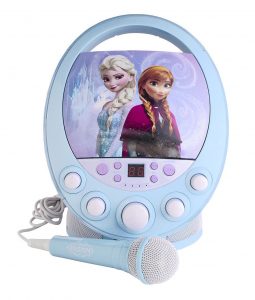
Plug-and-play karaoke systems work well for most parties. They combine speakers, microphones, and controls in one unit. Setup stays quick.
If you already own speakers, karaoke apps paired with microphones also work. The key is reliability. Test everything beforehand.
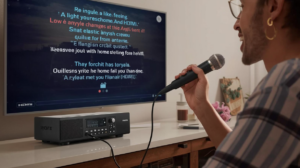
Lyrics must be easy to see. Use a TV or projector if possible. Bigger screens reduce anxiety and mistakes.
When sound works smoothly, singers relax. Relaxed singers perform better.
Sound Balance Matters More Than Volume
Loud does not always mean fun. Clear sound beats sheer volume every time.
Start with moderate music volume. Vocals should sit comfortably above the track. Adjust gradually.
Feedback ruins confidence quickly. Keep microphones behind speakers. Lower mic volume before raising speaker volume.
Balanced sound keeps performances enjoyable. Guests stay longer when ears feel comfortable.
When you plan karaoke party audio carefully, the night feels polished instead of chaotic.
Building a Song List Everyone Enjoys
Song selection drives participation. Too many obscure tracks discourage singers.
Encourage familiar songs. Popular hits, classics, and sing-alongs work best. Variety matters as well.
Mix tempos. Alternate upbeat songs with slower ones. This rhythm prevents burnout.
Allow guests to suggest songs in advance. This inclusion builds excitement before the party even begins.
When you plan karaoke party playlists thoughtfully, you reduce downtime and boost confidence.
Managing Song Order and Flow
Flow keeps energy alive. Long waits kill momentum.
Create a simple sign-up system. A whiteboard or notes app works fine.
Avoid letting one person sing repeatedly. Rotate performers to keep things fair.
Between songs, keep the energy up. Applaud loudly. Make short comments. Encourage the next singer.
Smooth transitions make the party feel effortless.
Helping Shy Guests Feel Comfortable
Not everyone loves the spotlight. That’s okay.
Start the night with confident singers. Their enthusiasm sets the tone.
Encourage group performances early. Duets and trios feel safer.
Remind guests there is no pressure. Participation is optional.
Cheering matters. Applause builds courage faster than words.
When you plan karaoke party dynamics with empathy, more people join in naturally.
Using Themes to Add Excitement
Themes give direction without restriction.
Popular ideas include decades, movie soundtracks, or pop hits. Choose something familiar to your group.
Themes simplify song choices. Guests feel less overwhelmed.
Costumes enhance fun, even if optional. Hats or accessories are enough.
A theme turns singing into storytelling. That shift boosts engagement.
Timing Your Karaoke Party Right
Timing affects energy. Starting too late reduces participation. Starting too early feels awkward.
Begin karaoke after guests settle in. Give people time to chat first.
Plan for breaks. Short pauses help voices recover.
End on a high note. Save crowd favorites for last.
When you plan karaoke party timing wisely, the night feels balanced.
Food and Drinks That Support Singing
Food choices matter more than expected.
Avoid overly greasy or spicy foods. They affect voices.
Offer water and light snacks. Hydration helps singers.
Alcohol should be optional. Some sing better with it. Others don’t.
Balanced options keep guests comfortable and energized.
Creating a Supportive Party Culture
Culture defines experience.
Set the tone early. Emphasize fun over talent.
Discourage negative comments. Encourage positive reactions.
Celebrate effort. Laugh with performers, not at them.
When you plan karaoke party culture intentionally, guests feel safe taking risks.
Handling Technical Issues Calmly
Technology fails sometimes. Preparation helps, but attitude matters more.
Test equipment beforehand. Keep spare batteries.
If issues arise, stay calm. Use humor. Fix things quickly.
Guests mirror your reaction. Calm hosts keep parties fun.
Adding Creative Party Twists
Small twists keep things interesting.
Try a surprise duet round. Audience chooses partners.
Include a theme switch mid-party. Change genres for variety.
Offer playful awards. Fun titles beat serious trophies.
Creative touches keep attention sharp.
Hosting for Different Group Sizes
Small groups benefit from intimacy. Everyone gets turns.
Large groups need structure. Limit song length.
Adjust rules based on size. Flexibility matters.
The goal stays the same. Keep energy flowing.
Why Karaoke Parties Beat Traditional Gatherings
Karaoke breaks passive patterns.
Guests engage actively instead of scrolling phones.
Shared moments replace small talk.
Music becomes the connector.
When you plan karaoke party nights, connection becomes the centerpiece.
Making Memories That Last
Photos and videos capture moments.
Encourage recordings respectfully. Share highlights later.
These memories strengthen bonds.
A successful karaoke party lives beyond the night itself.
Common Mistakes to Avoid
Avoid rushing the start. Let energy build.
Do not force participation. Choice matters.
Avoid overcomplicated rules. Simplicity wins.
Learn from each party. Improvement comes naturally.
Why Hosting Gets Easier Every Time
Confidence grows with experience.
Each party teaches you something.
Soon, planning feels effortless.
Your home becomes known for fun nights.
That reputation brings people together.
Conclusion
Learning how to plan karaoke party experiences that everyone loves is about balance, not perfection. With thoughtful setup, inclusive energy, and smooth flow, karaoke transforms gatherings into unforgettable nights. When guests feel safe, supported, and excited, singing becomes joy instead of pressure. Create the space, light the spark, and let the music do the rest.
FAQ
1. How many people is ideal for a karaoke party?
Six to twelve guests works best, but larger groups can succeed with structure.
2. Do I need expensive equipment to plan a karaoke party?
No. Simple karaoke systems or apps work well for most homes.
3. How long should a karaoke party last?
Two to three hours keeps energy high without exhausting guests.
4. What if no one wants to sing at first?
Start with confident singers and encourage group performances early.
5. Should I use a theme for my karaoke party?
Themes are optional but helpful for boosting excitement and participation.