Choosing the right microphone is crucial for any karaoke setup, and a key decision revolves around whether to use a wired wireless karaoke microphone. While both types serve the same basic function – capturing your voice – they offer distinct advantages and disadvantages that can significantly impact your singing experience. Understanding these differences will help you select the best mic for your specific needs, whether you prioritize reliability, freedom of movement, or budget. Ultimately, your choice will shape your karaoke sessions.
Understanding Microphone Basics: Wired vs. Wireless Options
Before delving into the specifics, it’s helpful to understand the fundamental ways microphones transmit audio. Wired microphones use a physical cable to send the audio signal directly to your karaoke machine or amplifier. Conversely, wireless microphones convert the audio signal into radio waves, which are then transmitted to a receiver connected to your sound system. This fundamental difference drives most of their respective pros and cons. Moreover, the quality of components in both types can vary significantly.
The Enduring Appeal of Wired Microphones for Karaoke
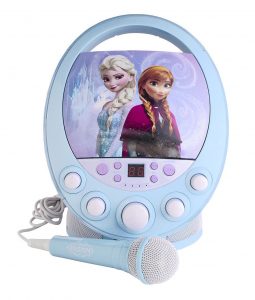
Wired microphones are the traditional choice and remain popular for several good reasons. Their primary benefit is reliability; a direct physical connection means no signal dropouts or interference, ensuring consistent audio quality. This stability is particularly appealing for home users who want a fuss-free setup. Furthermore, wired microphones are generally more affordable than their wireless counterparts, making them a budget-friendly option for many. In addition, they typically don’t require batteries, eliminating the concern of power running out mid-song. This means uninterrupted singing enjoyment. However, the obvious drawback is the cable itself. Wires can restrict movement, create tripping hazards, and clutter your space. This might be inconvenient for energetic performers or smaller venues. Consequently, some singers feel tethered.
Advantages of Wired Microphones:
- Unmatched Reliability: A direct connection ensures a stable audio signal. Signal dropouts are virtually nonexistent.
- Cost-Effectiveness: Generally less expensive upfront compared to wireless systems. This makes them accessible.
- No Battery Worries: They draw power directly from the connected device. Therefore, you never need to worry about charging.
- Simplicity: Often plug-and-play, requiring minimal setup. This makes them ideal for beginners.
- Lower Latency: Audio transmission is instantaneous. As a result, there’s no noticeable delay.
Disadvantages of Wired Microphones:
- Restricted Movement: The cable limits how far you can move from your karaoke machine. This can feel confining.
- Tripping Hazard: Cables on the floor can be dangerous, especially in dimly lit party environments. Therefore, caution is needed.
- Clutter: Multiple cables can make your setup look messy. This detracts from a clean aesthetic.
- Wear and Tear: Cables can get tangled, kinked, or damaged over time. Consequently, they may need replacement.
The Freedom of Wireless Microphones for Your Performance
Wireless microphones offer unparalleled freedom of movement, allowing singers to roam the room, engage with their audience, or simply move without worrying about tangled cords. This makes them ideal for parties, larger gatherings, or anyone who likes to put on a show. The sleek, cable-free design also contributes to a cleaner, more professional-looking setup. Notably, they enhance stage presence significantly. On the downside, wireless microphones are typically more expensive than wired ones and require batteries, which need to be charged or replaced. They can also be susceptible to signal interference, especially in crowded radio frequency environments, potentially leading to occasional audio dropouts or static if not properly set up or if using lower-quality systems. Therefore, proper channel selection is crucial. A high-quality wireless system minimizes these risks, but it comes at a higher price point. Choosing a good wireless microphone system is key.
Advantages of Wireless Microphones:
- Unrestricted Movement: Sing and dance without being tethered. This enhances performance.
- Clean Setup: No visible cables on the floor for a tidier appearance. This looks more professional.
- Enhanced Interaction: Easier to engage with guests or move between different areas. Consequently, parties become more dynamic.
- Reduced Tripping Hazards: A safer environment, especially in active party settings. This is a significant safety benefit.
Disadvantages of Wireless Microphones:
- Higher Cost: Wireless systems are generally more expensive to purchase. This impacts your budget.
- Battery Dependence: Requires regular battery charging or replacement. This adds ongoing cost and maintenance.
- Potential for Interference: Susceptible to signal issues from other devices or crowded airwaves. Therefore, careful setup is vital.
- Latency Concerns: While often negligible, some cheaper systems might introduce a slight audio delay. This can be distracting.
- Setup Complexity: May require channel scanning and frequency management. Consequently, setup can be more involved.
Key Factors to Consider When Choosing Your Karaoke Microphone
When deciding between a wired wireless karaoke microphone setup, several factors should influence your decision. Think about your typical usage scenarios and personal preferences. For instance, are you hosting large parties or singing solo at home? Your answers will guide you toward the best option.
Your Karaoke Environment and Space
Consider where you’ll be using your karaoke machine. If you have a small living room and plan to stay relatively close to the system, a wired microphone might be perfectly adequate. However, if you have a larger space, like a dedicated party room or a backyard setup, the freedom offered by a wireless microphone becomes invaluable. Furthermore, consider potential obstructions. Walls and furniture can sometimes affect wireless signal strength. A spacious area often benefits more from cordless options.
Your Singing Style and Performance Needs
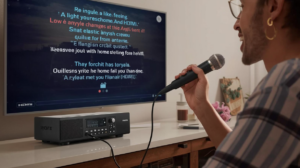
How do you like to perform? If you’re a dynamic singer who loves to move around, dance, and interact with guests, a wireless microphone is almost a necessity. It allows for expressive performances without the worry of tripping or getting tangled. On the other hand, if you prefer a more stationary singing style, perhaps reading lyrics from a screen, a wired microphone provides reliable audio without unnecessary features. Therefore, your stage presence matters.
Budget Considerations for Your Karaoke System
Price is often a significant factor. Wired microphones are generally more budget-friendly, offering excellent audio quality at a lower cost. If you’re just starting with karaoke or have a limited budget, a good quality wired mic is a smart choice. Conversely, wireless systems, especially those with multiple channels and advanced features, come with a higher price tag. Remember to also factor in the ongoing cost of batteries for wireless models. This can add up over time. So, evaluate your financial commitment carefully for a wired wireless karaoke microphone.
Audio Quality and Reliability
For many, audio quality is paramount. Wired microphones are renowned for their consistent, interference-free sound. There’s a direct, unbroken signal path. Wireless technology has advanced considerably, with high-end systems offering superb audio quality that rivals wired mics. However, cheaper wireless systems can still be prone to interference or occasional dropouts. If pristine, uninterrupted sound is your top priority, especially in a professional setting, a high-quality wired microphone or a premium wireless system is advisable. Don’t compromise on sound if it’s crucial for your enjoyment.
Setup Complexity and Maintenance
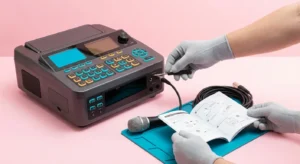
Wired microphones are typically plug-and-play. You simply connect the cable, and you’re ready to sing. They require minimal maintenance. Wireless microphones, however, can sometimes involve more complex setup, including pairing the microphone with its receiver, scanning for clear frequencies, and managing batteries. If you prefer a straightforward, no-fuss setup, a wired option might be more appealing. Conversely, if you’re comfortable with a bit more technical involvement for the sake of freedom, a wireless system is manageable. Consider your technical comfort level.
Hybrid Solutions and Advanced Considerations
Sometimes, the best solution involves a mix of both technologies. For instance, you might use a reliable wired microphone for the main vocalist and a wireless microphone for backup singers or audience participation. Furthermore, some karaoke machines come with both wired and wireless inputs, allowing for flexibility. This provides the best of both worlds. When considering a wired wireless karaoke microphone, remember that modern technology offers many choices.
Digital vs. Analog Wireless Microphones
Within wireless microphones, there are also distinctions between analog and digital systems. Analog systems transmit audio using radio frequencies directly, while digital systems convert audio into a digital signal before transmission. Digital wireless microphones often offer clearer sound, better range, and are less susceptible to interference, but they are typically more expensive. Analog systems are generally more affordable and can still offer good performance. Therefore, research both types before making a choice.
Frequency Bands and Interference
Wireless microphones operate on various frequency bands (e.g., VHF, UHF, 2.4 GHz). Understanding these bands is crucial for minimizing interference. UHF systems are generally preferred for professional use due to their wider range and better resistance to interference. However, regulations regarding frequency use vary by region. It’s important to choose a system that operates on clear, legal frequencies in your area. This ensures optimal performance and compliance. A little research goes a long way here.
Making the Right Choice for Your Karaoke Fun
Ultimately, the choice between a wired and wireless karaoke microphone depends on your priorities. If you value reliability, cost-effectiveness, and don’t mind staying relatively stationary, a wired mic is an excellent choice. It’s a dependable workhorse for home entertainment. If freedom of movement, a clean setup, and engaging performances are more important, and you’re willing to invest a bit more, a wireless mic will likely be your preferred option. This enhances the party atmosphere. Consider your typical karaoke environment and singing style to make the best decision for your home entertainment system. Moreover, think about future needs. Will your karaoke setup grow? Your decision on a wired wireless karaoke microphone should align with your long-term vision for fun and performance.
No matter which type you choose, investing in a quality microphone will significantly enhance your karaoke experience. A good microphone captures your voice clearly, making every song sound better. So, weigh the pros and cons carefully, consider your budget and usage, and get ready to sing your heart out with the perfect mic for you.
FAQ: Your Karaoke Microphone Questions Answered
What are the main benefits of a corded microphone for karaoke?
Corded microphones offer superior reliability due to their direct connection, meaning no signal dropouts or interference. They are also generally more affordable and don’t require batteries, providing a consistent, low-maintenance singing experience. This makes them a great choice for home use.
When should I choose a cordless mic system for my karaoke setup?
You should choose a cordless mic system if you prioritize freedom of movement, enjoy interacting with your audience, or have a larger performance space. They are ideal for parties, energetic performers, and anyone wanting a clean, cable-free setup, despite the higher cost and battery requirements.
Can I use both types of microphones with one karaoke machine?
Yes, many modern karaoke machines come equipped with multiple input jacks, allowing you to connect both corded and cordless microphones simultaneously. This offers great flexibility, letting you use a reliable wired mic for a lead singer and a wireless mic for backup vocals or audience participation.
Are there significant differences in audio quality between microphone types?
While high-quality versions of both microphone types offer excellent audio, wired microphones are inherently less susceptible to interference, ensuring consistent sound. Premium cordless systems can match this quality, but cheaper wireless models might experience occasional dropouts or static, especially in crowded environments.
What should I consider regarding the power source for my karaoke microphone?
Corded microphones draw power directly from your karaoke machine, so they never need batteries. Cordless microphones, however, rely on batteries (AA, AAA, or rechargeable packs), which need regular charging or replacement. This is an ongoing cost and maintenance consideration for wireless options.